
Brands Are Building Studios. Now What?
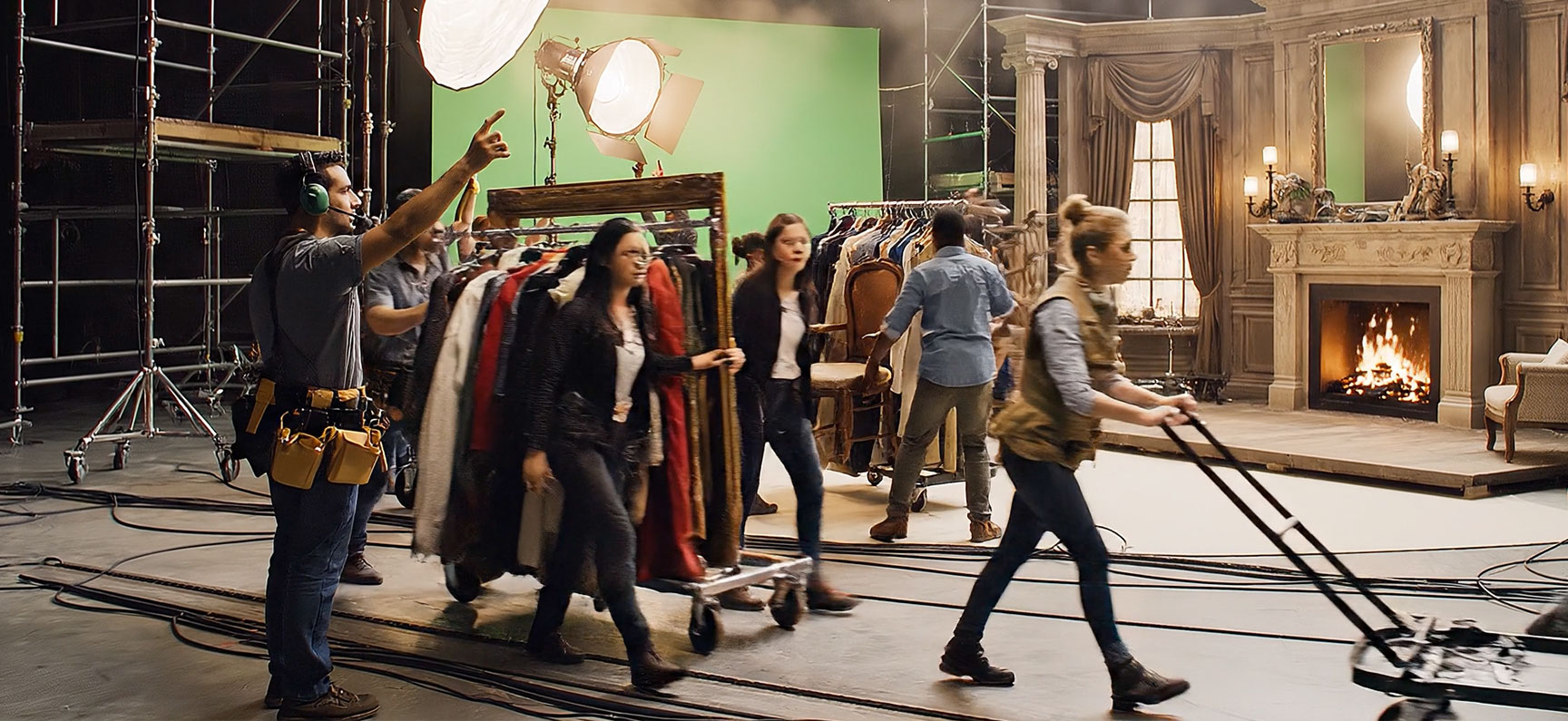

Brands Are Building Studios. Now What?
Not long ago, “video” meant hiring a production company, booking a shoot, and delivering a final asset.
Now brands are building studios.
Not metaphorically—literally.
In-house teams. Dedicated spaces. Cameras always within reach.
A shift from campaigns to continuous content.
It makes sense.
But it also changes everything.
The Rise of the In-House Studio
Brands aren’t just telling stories anymore.
They’re trying to stay in the conversation.
That requires volume. Speed. Flexibility.
You can’t wait six weeks for every piece of content when:
- Social moves daily
- Product updates happen weekly
- Events, launches, and internal moments never stop
So brands are investing in:
- Internal video teams
- Podcast setups
- Always-on content rooms
- Lightweight production workflows
The goal isn’t perfection.
It’s presence.
The Pros: Control, Speed, and Volume
When a brand builds a studio, a few things immediately improve:
1. Speed
You can go from idea to execution in hours, not weeks.
2. Cost Efficiency (Over Time)
For recurring content, internal production can be more cost-effective than constant external hires.
3. Access
You don’t need to coordinate schedules across multiple vendors.
Your team, your space, your timeline.
4. Consistency
Same people. Same setup. Same tone.
You start to build a recognizable voice faster.
For the right type of content—this is a massive advantage.
The Cons: Where Things Quietly Break Down
But building a studio doesn’t automatically make you a production company.
That’s where things get complicated.
1. Creative Drift
Without outside perspective, content starts to look and feel the same.
What began as consistency turns into repetition.
2. Skill Gaps
Production is one piece.
Story, pacing, tone, and structure are another.
Owning a camera doesn’t mean you know what to say with it.
3. Overproduction of Underperforming Content
Speed creates volume.
But volume without strategy just creates… more content.
Not better content.
4. The “We Can Do It Ourselves” Trap
Teams start taking on projects that require a different level of thinking and execution.
Campaign work. Brand films. High-stakes messaging.
And that’s where internal teams can get stretched thin.
Where AI Fits In
AI is accelerating everything about this shift.
It’s not replacing studios.
It’s supercharging them.
Inside brand studios, AI is already being used to:
- Generate scripts and concepts
- Edit rough cuts and social clips
- Create motion graphics and variations
- Localize content at scale
- Turn one piece of content into ten
It’s removing friction from the process.
Which is powerful.
But it also introduces a new risk:
When everything is faster and easier to produce,
taste becomes the differentiator.
AI can generate options.
It can’t decide what’s worth making.
The New Gap: Strategy and Taste
As brands build studios and AI handles more execution, a gap starts to form.
Not in production.
In judgment.
- What story is worth telling?
- What format actually fits the message?
- What tone aligns with the brand?
- What should feel polished vs. raw?
These aren’t technical decisions.
They’re creative ones.
And they’re harder than ever, because the barrier to creating content is gone.
What This Means for Marketing Videos
The future isn’t in-house vs. external.
It’s both.
In-House Studios Will Own:
- Social content
- Internal communications
- Podcasting and thought leadership
- Event coverage
- Day-to-day brand presence
External Partners Will Still Lead:
- Campaign development
- Brand films
- High-stakes storytelling
- Creative direction at scale
- Bringing in fresh perspective
Not because brands can’t produce these internally.
But because they shouldn’t have to solve everything from inside the same room.
The Best Setup Isn’t One or the Other
The brands that will win aren’t the ones with the biggest studios.
They’re the ones who understand when to use them.
They’ll:
- Move fast internally
- Bring in outside perspective when it matters
- Use AI to scale smart decisions—not replace them
- Stay focused on quality, not just output
Because the goal isn’t to make more content.
It’s to make content that actually lands.
The Studio Is a Tool. Not the Strategy.
Building a studio is a smart move.
But it’s not the finish line.
It’s just a new starting point.
Without clear direction, strong creative thinking, and a defined point of view,
you don’t get better content.
You just get more of it.
And in a world where everyone can create,
more isn’t the advantage anymore.
Better is.
